If the power went off this evening, would you know where your cat's carrier was? And would you have enough of their usual food and medication to see them through a few days?
These are small things to think about now, while there is no rush. The Government's Be Ready campaign encourages households to prepare for temporary disruption with three days of essential supplies. Our cats need a place in that plan too.
Putting together a cat emergency kit does not mean buying an expensive survival pack or a cupboard full of unfamiliar products. A few everyday essentials, kept somewhere easy to find, can make looking after your cat much simpler if normal routines are interrupted.
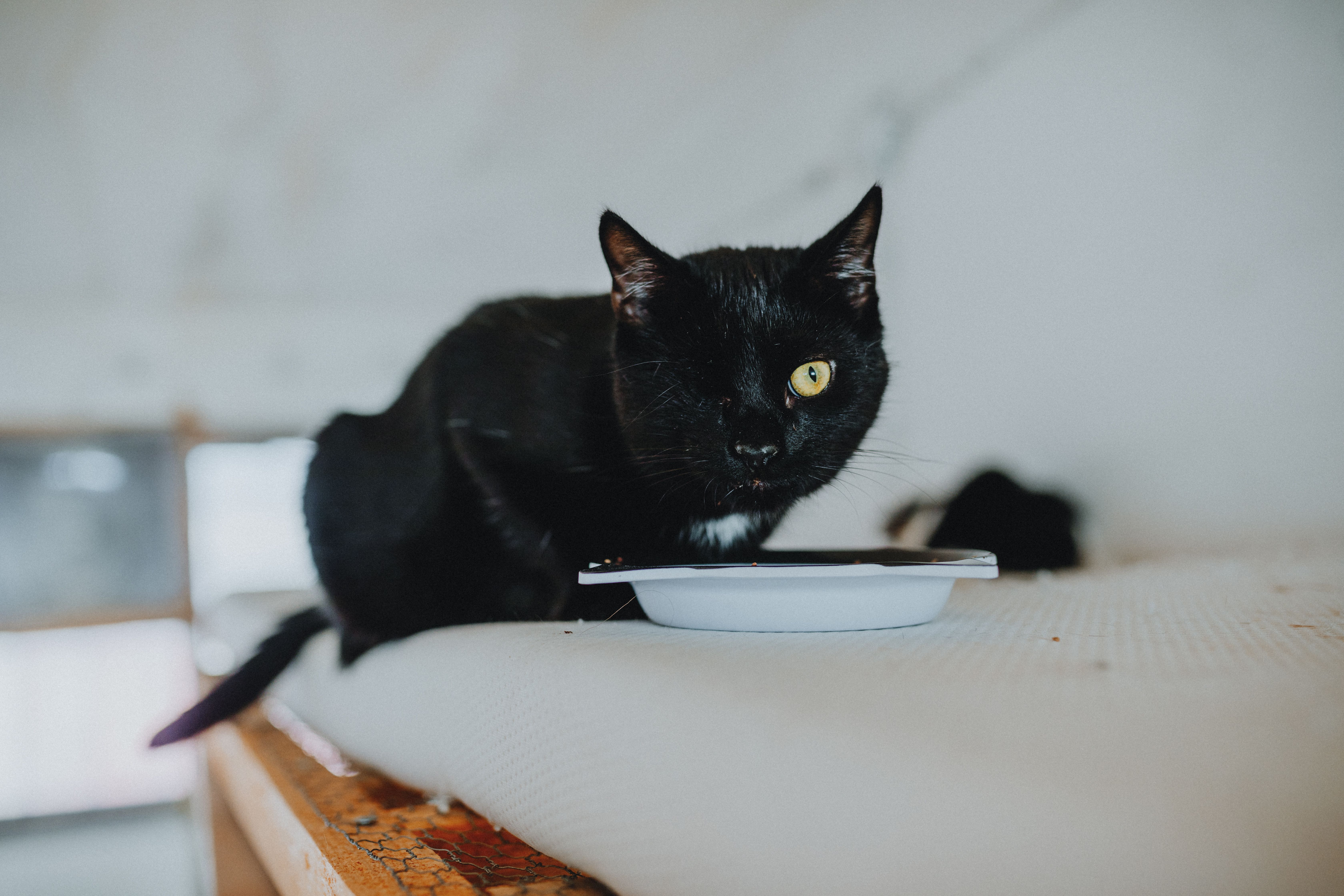
Keep a small reserve of your cat’s usual food, including any special diet they rely on.
What Does Being Ready Mean for Cat Owners?
A storm, power cut or interruption to the water supply can affect feeding, cleaning and access to the things you normally rely on. You may also find that shops, deliveries or travel are disrupted.
The aim is to keep meeting your cat's everyday needs while you follow local advice. Planning for 72 hours is a useful starting point, rather than a promise that every emergency will be over in three days.
What to Put in Your Cat Emergency Kit
Adapt this list for each cat in your household, including any special diet or medical needs.
Three days of suitable food. Keep a small reserve of your cat's usual shelf-stable food, such as unopened tins, pouches or sealed dry food. Include a manual tin opener if needed. If your cat eats a prescription diet or food that needs refrigeration, ask your vet about a suitable backup before you need it.
Additional drinking water. Set aside clean bottled water for your cat, as well as your household supply. Keep ordinary bowls available if you normally use an electric fountain.
Prescription medication and instructions. Speak to your vet about maintaining a three-day buffer where appropriate, with written doses and timings. Store medicines exactly as directed. If treatment needs refrigeration, agree a power-cut plan with your vet; do not change doses or use medicine whose storage conditions are uncertain without advice.
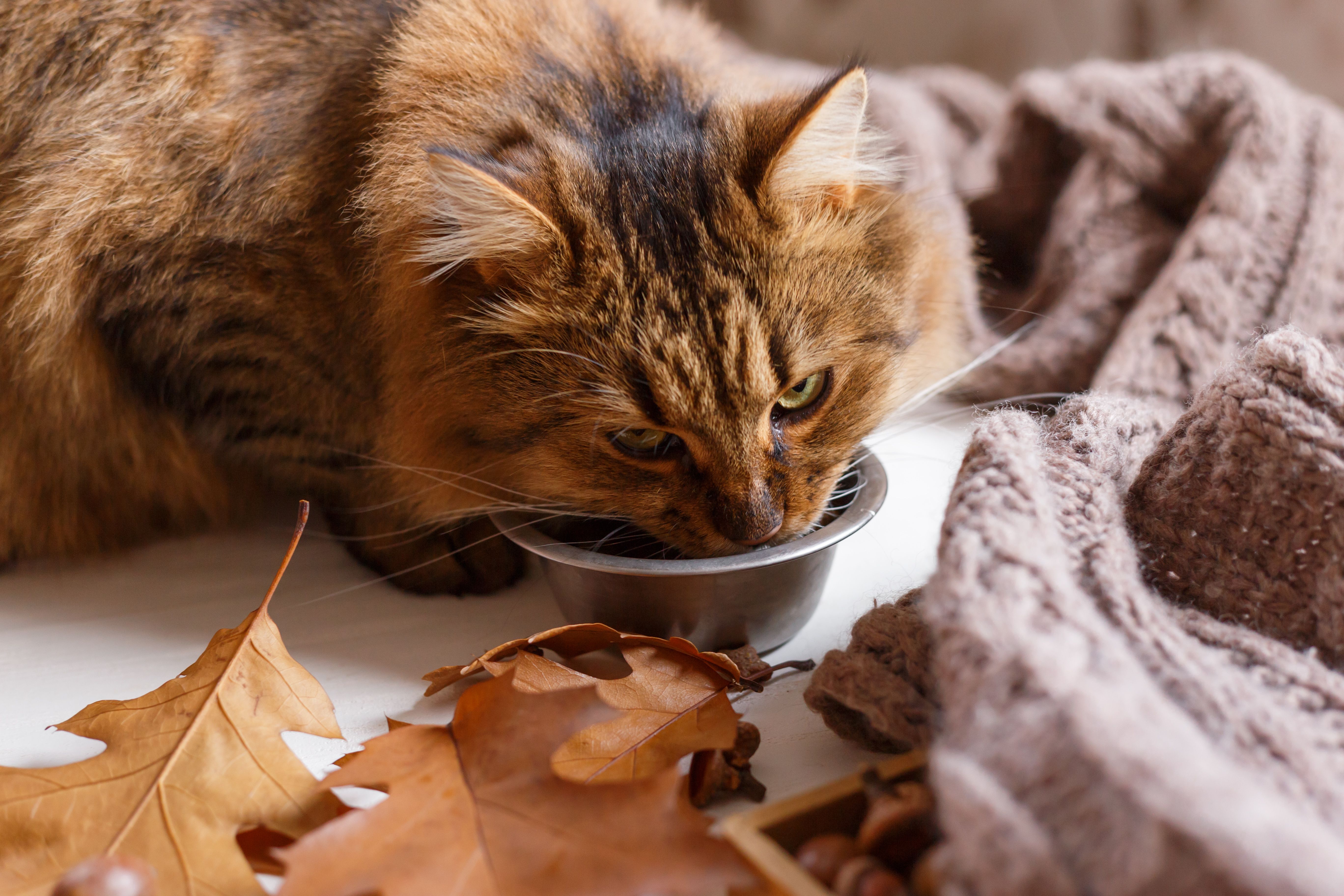
Include extra drinking water for your cat and keep ordinary bowls available if the power goes off.
Litter and cleaning supplies. Have enough of your cat's familiar litter, a tray, scoop and waste bags. Even cats who normally toilet outdoors may need an indoor option.
A secure carrier for each cat. Keep carriers accessible, with a familiar blanket or towel ready. Check doors and fastenings before you need to use them.
Essential records and contacts. Keep copies of medical and vaccination information, microchip details, insurance information, and your vet's daytime and out-of-hours numbers. Include a recent photograph of each cat.
Familiar comforts. A favourite blanket and a small, safe toy can help keep something familiar close by if you need to move.
How Much Water Should You Store for Your Cat?
The Government recommends three litres of drinking water per person per day: nine litres per person for three days. That is the human allowance, not a suggested amount for a cat. You will need additional water for pets, and more for other household tasks.
Your cat's needs will depend on factors such as their diet and health. Ask your vet if you are unsure what to allow, especially if your cat has a medical condition. Do not ration their access to drinking water to make supplies last.
Think About Anything That Needs Electricity
An automatic feeder, water fountain or electronic cat flap can be easy to forget when everything is working normally. Check how yours behaves during a power cut and what backup it needs.
Keep simple alternatives available: ordinary bowls, written feeding instructions and a torch so you can move around safely. Do not assume a timed feeder or connected device will continue working without mains power or internet access.
Familiar bedding can help your cat feel more comfortable if their routine or surroundings change.
Preparing to Leave Home Safely with Your Cat
Think ahead about somewhere safe you could go with your cat. Check whether a friend, family member or accommodation provider can accept pets, rather than discovering restrictions when you arrive.
Pack essentials together so they are easy to gather. Keep printed records in a waterproof wallet, and make sure microchip contact details are current. A carrier left out as a familiar resting place can also be less daunting than one that only appears before a journey.
Follow instructions from the emergency services. Take your cat with you if it is safe to do so, but never delay an urgent evacuation or put yourself in danger trying to find them. If you cannot safely reach a pet, tell responders where they may be.
What If You Are Away When Disruption Happens?
This is particularly useful to discuss before a holiday. Let your Cat Butler know where emergency supplies and carriers are kept, and make sure care instructions and emergency contacts are up to date.
Agree a local backup contact who can help if it is safe to do so, and discuss what should happen if you cannot be reached. Travel restrictions and unsafe conditions may affect anyone's ability to reach your home, so a backup plan matters alongside your usual visits.
Prepare Gradually, Within Your Budget
Start by checking what you already have. You may only need to gather it together and write down a few details. Add a spare item during your normal shopping when you can, and use older supplies first so nothing is wasted. Check dates and household needs every six months.
If everyday cat care costs are already difficult, there is no shame in asking for help. Citizens Advice explains support with essential costs and how to look for local pet food banks. Availability varies, so check with your local service.
Once the essentials are organised, enjoy a quiet moment together if your cat wants company.
A Little Planning, Then Back to Normal Life
This is precautionary advice, not a reason to expect the worst. Start with one manageable task: find the carrier, write down the emergency vet number or check how much food you have.
Once that is done, carry on with your day. If your cat comes over for a fuss, a quiet few minutes together may be a welcome chance to pause. Let them choose whether they want company.
At The Cat Butler, we know how much familiar surroundings and routines matter to cats. Including them in your household plan is another way to look after their comfort, whatever the day brings.
If you are planning time away, find your local Cat Butler to discuss home cat care and your cat’s individual routine.
This article offers general preparation advice. Follow official instructions during an emergency and speak to your vet about your cat's individual medical and dietary needs.
Sandra James
Owner & Founder
The Cat Butler was set up by Sandra James in recognition of the fact that a stay in a cattery can be unsettling for many cats and also their owners.
 Cat Butler Cat Sitting Our professional cat sitting services are delivered by trained and vetted cat experts in the comfort of your cat’s own home, helping us to make sure that they are happy and safe while you are away.Home Care & Security We are more than just cat sitters. While you’re away, The Cat Butler team is here to make sure that your home is also safe and looked after.The Cat Butler Process We offer a free meeting to get to know your cat and to discuss their routine and care requirements.


 Cats are happier at home